Request Your Free Quote!


Paying for Drywall Work in OC: Plans, Rates, and the Law
California caps your drywall deposit at $1,000. Here is what OC jobs cost per square foot, how progress payments work, and what financing runs in 2026.
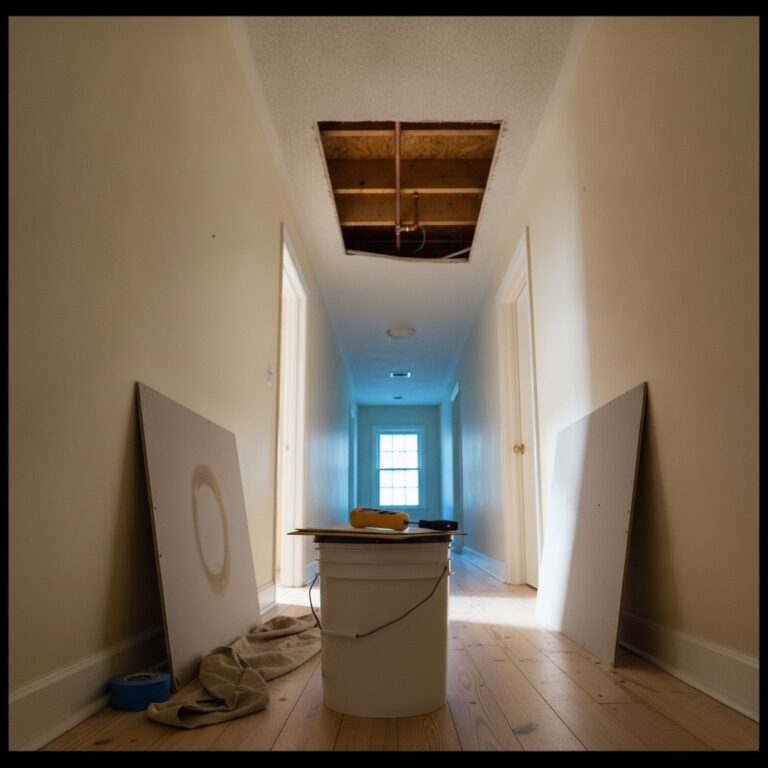
A Tustin homeowner called about 380 square feet of ceiling that came down after a slab leak. The quote came back at $3,980 for demo, new board, tape, level-4 finish, texture match, and haul-off. Her first question was not about the texture. It was whether she had to hand over the full amount before anyone showed up with a van. That question comes up more than any other on a signed drywall job, and California law answers a good chunk of it before a lender ever enters the picture.
Start With the Real Number, Not the Monthly Payment
Financing a number you have not pinned down is how homeowners get into trouble. Drywall in California runs roughly $2.50 to $4.50 per square foot of finished surface for hang, tape, and finish, and Orange County sits in the upper half of that band because labor here is not Inland Empire labor. A level-4 finish is the standard for walls that get paint or texture. Level 5, the full skim coat you want under flat paint and raking window light, adds about $0.60 to $1.10 per square foot.
Put that against real projects. A single-wall patch after a leak or a doorway removal typically lands between $450 and $900 in Anaheim or Costa Mesa. A 640 square foot ADU in Placentia, hung and finished to level 4 with a knockdown texture, runs closer to $6,800 to $9,500. A full reskin of an 1,800 square foot Fullerton ranch with popcorn removal and level-5 ceilings can pass $22,000. The spread between those three is why a blanket answer on what drywall costs is useless to you.
California Caps Your Deposit at $1,000
Under the state home improvement contract law, a licensed contractor may collect a down payment of $1,000 or ten percent of the contract price, whichever is less. Not whichever is more. On that $3,980 Tustin ceiling, the legal maximum deposit is $398. The contract has to spell this out in 12-point boldface type. A contractor who asks for half up front on a residential job is either unlicensed or breaking a rule the Contractors State License Board treats as a misdemeanor.
After the deposit, every payment has to track work already done. The CSLB is direct about it. A progress payment cannot exceed the value of the labor performed and the materials delivered at the time it is requested. If a payment schedule is written into the contract, it must appear under the heading “Schedule of Progress Payments,” state each amount in dollars and cents, and describe exactly what gets completed for that money. A vague milestone like “50% at rough-in” with no scope attached does not meet the standard.
A clean drywall payment schedule on a mid-size job looks like this. Deposit at signing, capped by law. A material draw when the board and compound land on site. A hang-complete payment. A payment at tape and second coat. The balance after final sand, texture match, cleanup, and a walkthrough with the punch list closed. You are never paying more than one phase ahead of the work, and that is the whole point of the rule.
Four Ways Orange County Homeowners Pay
Most drywall jobs get funded one of four ways. Each one has a different failure mode, and the size of the job usually decides which is sane.
- Cash or savings. Cheapest by a wide margin on anything from $500 to $5,000. The progress schedule already spreads the cost across two to four weeks. No application, no lien, no interest.
- Home equity. As of late August 2026, the average adjustable HELOC rate sits near 7.16 percent, a new low for the year, with Bankrate’s survey of large lenders at 7.30 percent and fixed home equity loans around 7.35 percent. Individual quotes still range from roughly 6 percent to 18 percent depending on credit and how hard you shop. This route fits remodel-scale work, not a $700 patch.
- Contractor or third-party financing. Convenient, and the promotional zero-interest windows are real. Read the deferred interest language carefully. On many of those plans, one dollar left unpaid when the promo period ends triggers interest calculated back to day one.
- Insurance proceeds. Common on slab leaks and water damage. Carriers typically release funds in two pieces, actual cash value first and recoverable depreciation after the work is documented complete, which means the second check often arrives after your final payment is due.
None of that is a recommendation on which loan to take. Rates, terms, and tax treatment depend on your situation, and your own lender or CPA should weigh in before you sign anything with an amortization table on it.
What a Scope Change Actually Costs
A payment schedule survives contact with reality only when scope changes get priced in writing before the crew keeps moving. On drywall, three things trigger most change orders. Wet or moldy framing behind the board, found after demo. Ungrounded or knob-and-tube wiring in a 1950s Orange or Santa Ana house that has to be corrected before the wall closes. And a texture that turns out to be hand-troweled Santa Barbara finish rather than the orange peel everyone assumed on walkthrough.
Ballpark on each. Framing replacement in a single bay runs $200 to $600 including the added board and finish work. An electrical correction is your electrician’s number rather than the drywall crew’s, but budget $400 to $1,200 and a lost day on the calendar. A hand-texture match across a 12 foot wall can add $350 to $700, because the work is slow and it takes a finisher who can genuinely reproduce it. In every case, a written change order with a new dollar figure and a revised schedule should land before that work starts.
Why the Timing Question Matters Right Now
Two things are true about the back half of 2026. Home equity borrowing costs have drifted to their lowest point of the year, and remodeling demand is cooling slightly. Harvard’s Joint Center for Housing Studies projects year-over-year growth in renovation and repair spending easing to roughly 1.9 percent in the third quarter, on a market approaching $522 billion. Softer demand means shorter lead times through September and October, before the pre-holiday rush closes those slots again.
For a homeowner in Irvine or Huntington Beach who has been staring at a cracked ceiling since spring, that combination is worth noticing. Booking the assessment costs nothing and pins down the actual number, which is the piece you need before any payment conversation means anything.
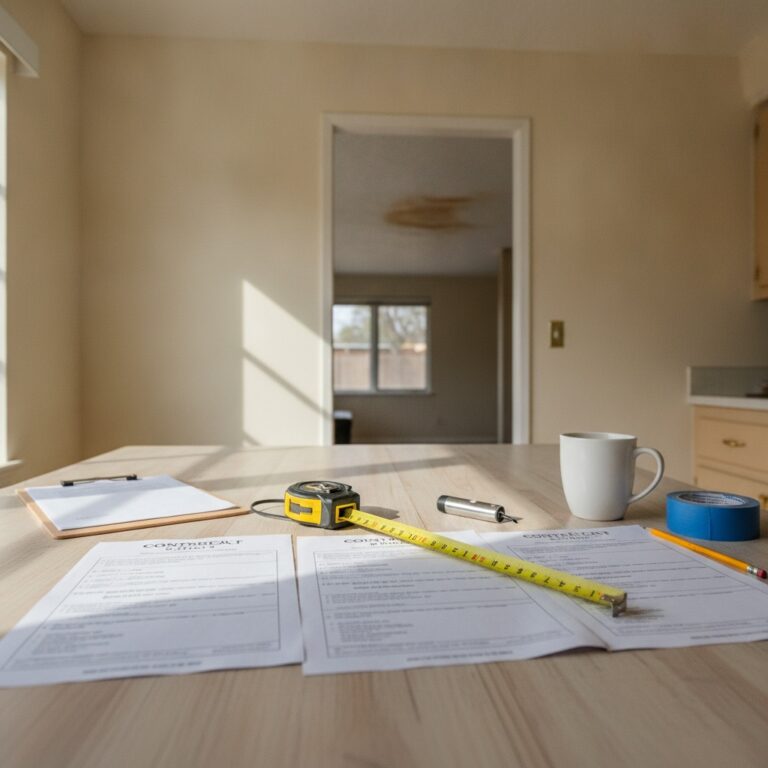
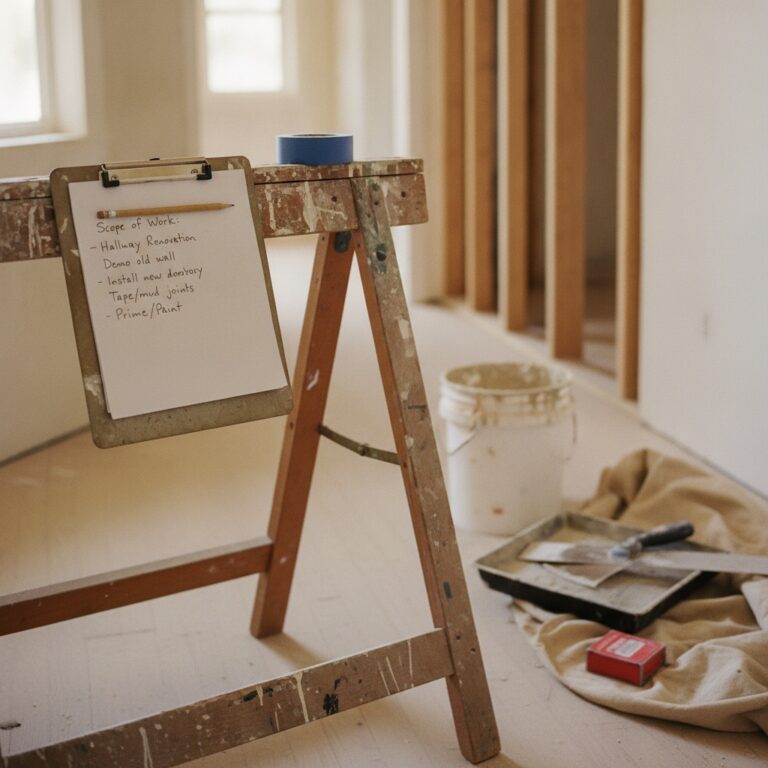
JNL Drywall gives every Orange County homeowner a free in-home assessment. Someone comes out, measures the real surface area, checks what sits behind the wall where it matters, and leaves you with a written scope, a stated finish level, and a progress payment schedule that follows California law to the dollar. No deposit conversation happens until that paper is in your hands. Call or request a visit through the site and pick a window that works this week.
Morning-context sources used: Drywall Installation Cost in California 2026, CSLB Industry Bulletin on Progress Payment Restrictions, HELOC and home equity loan rates, August 26, 2026 (Yahoo Finance), Bankrate current HELOC rates, August 2026, Forbes Advisor home equity rates, August 24, 2026, Harvard JCHS, Remodeling Growth Set to Downshift in Late 2026.