Request Your Free Quote!

Single-Wall Drywall Patch Cost in Orange County 2026
A single-wall drywall patch in Orange County can run $150 or $900. Here is what sets the price, from texture matching to the wall behind the wall.
A doorknob went through the guest-room wall in Fullerton last week, and the homeowner braced for a $700 bill. The real number was $185. Seven days earlier, a Costa Mesa kitchen patch that looked smaller from the doorway ran $640. Same trade, same week, totals that were almost four times apart. The gap is not random. A single-wall drywall patch gets priced by what the crew has to do to make the wall disappear, not by how big the hole looks from the hallway.
Most SoCal homeowners want one straight number before they pick up the phone. That number rides on five things: the size of the damage, the texture on the wall, whether it sits on a ceiling or a wall, what hides behind the surface, and the finish level the room needs. Sort those out and the price stops feeling like a guessing game.
What a patch actually costs by size
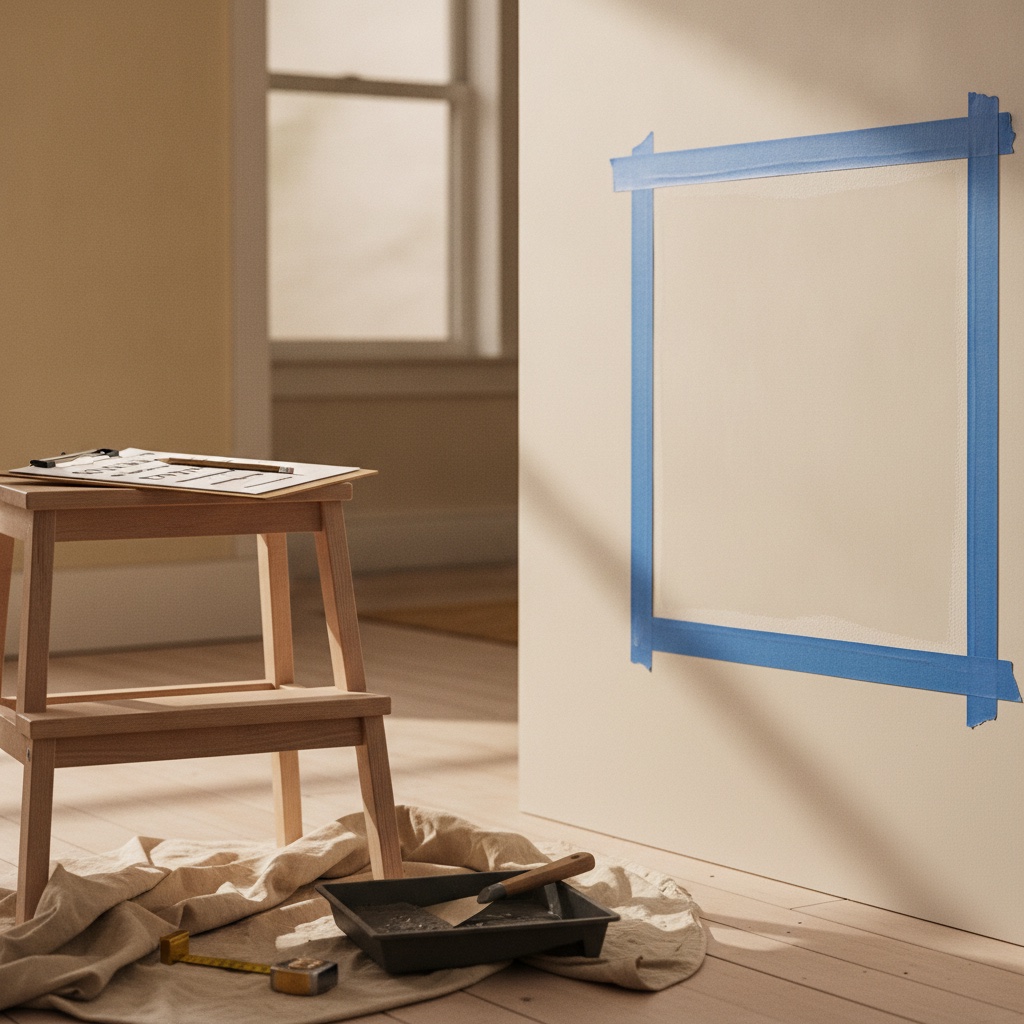
Patches fall into three rough tiers. Small holes under four inches, the doorknob dings, the picture-anchor blowouts, the thermostat that got moved, run $75 to $150 in Orange County for a clean professional repair. Medium holes from five to twelve inches, the kind a plumber’s access cut or a failed TV mount leaves behind, run $150 to $350, because the crew cuts in a backing piece and lays two or three coats of mud over a taped seam.
Once the damage passes twelve inches, pricing usually shifts to square footage. Plan on $50 to $75 per square foot for a larger wall section, or a flat $400 to $1,000 when a full sheet comes out and a new one goes in. A California-specific 2026 cost guide puts small holes starting near $120 and larger patches at $175 and up, which lines up with what JNL crews see from Irvine to Long Beach. The national average drywall repair lands around $600, but a true single-wall patch sits well under that for most homes.
One more thing on the small end. Almost every reputable shop carries a service minimum, often $150 to $250, because a crew still has to load a van, drive across the 55 or the 405, protect the floor, and clean up for a hole the size of a fist. That minimum is why three tiny dents fixed in one visit cost far less per hole than one tiny dent on its own trip.
Why two identical-looking patches cost different amounts
Texture is the first multiplier. A flat, unpainted garage wall takes the mud and the job is done. A living-room wall in knockdown or orange peel needs a texture match, and matching adds $50 to $150 because the finisher has to feather the new texture into the old so the repair vanishes in afternoon side-light. Skip that step and the patch reads as a bright smooth island the moment the sun rakes across the wall at 4 p.m.
Ceilings cost more than walls, usually 20 to 40 percent more. Working overhead is slower, gravity fights the mud, and a popcorn or stomp-textured ceiling is one of the toughest matches in the trade. Finish level matters too. A level-4 finish suits most repairs in a normally lit room. A level-5 finish, the kind a west-facing Newport Beach wall under tall windows really needs, costs more because it takes a full skim coat to kill every shadow and shine evenly under raking light.
Paint either closes the gap or opens it wider. A patch in a closet gets a quick roll and nobody looks twice. A patch on a feature wall painted eight years ago almost never matches at the patch line, because the old coat has faded and the sheen has shifted. The honest call there is to paint corner to corner. That is not an upsell. That is the difference between a repair you forget about and one you stare at every single evening.
When a patch stops being a patch
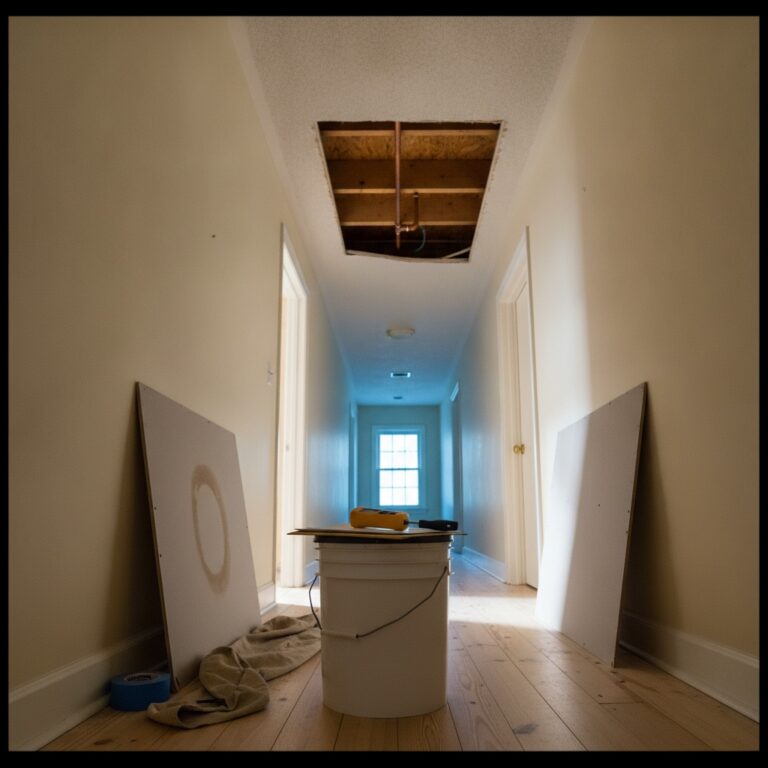
The biggest price swings come from what hides behind the surface. A brown ceiling stain in a Huntington Beach single-story can be a slow supply line, a roof flashing gap, or AC condensate dripping during peak summer runtime. Open it up and the drywall turns out to be the cheap part. The leak fix, the dry-out, and the mold check drive the real bill, and a responsible crew stops and re-quotes rather than burying wet rock under fresh mud and handing you the problem again in October.
Old wiring, brittle plumbing, and missing fire-blocking show up the same way once the wall opens. A scope change is not a surprise the contractor invents to pad the invoice. It is the wall telling you something the estimate could not see from the outside. The fair version of that moment happens on day one, with photos, a written change order, and a new number before anyone touches the next coat. Ask any contractor how they handle a mid-job find before you sign. The answer tells you exactly who you are dealing with.
What a JNL patch quote covers
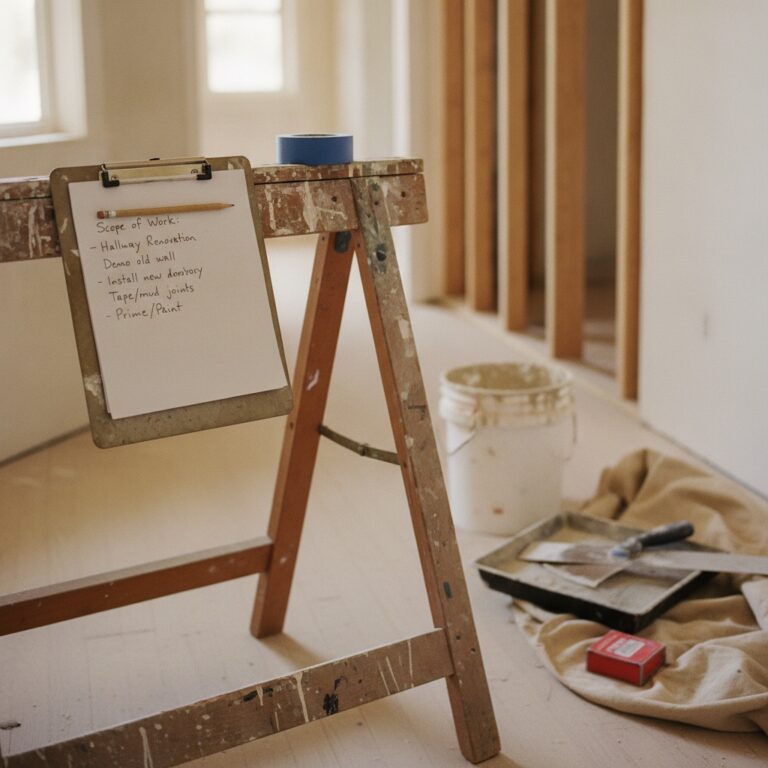
A JNL patch quote spells the work out in plain lines: cut and prep, backing and hang, tape with three coats of mud, sand, texture match, prime, paint, and cleanup with haul-off of the old material. No mystery “drywall, lump sum” line that could mean anything. Material is a small slice of a patch. A half-sheet of board runs $10 to $20, so most of the price is skilled labor, which a SoCal finisher commands at $60 to $100 per hour in 2026.
That labor number keeps climbing. Major gypsum makers including National Gypsum, American Gypsum, and CertainTeed issued price-increase notices effective June 1, 2026, and California construction labor is up roughly four percent year over year against a deep skilled-trade shortage. None of that wrecks a single-patch budget, but it is the reason a clear, itemized quote beats a one-line guess. You get to see where the money actually goes, and you can compare apples to apples when a second bid comes in.
How to read two patch quotes side by side
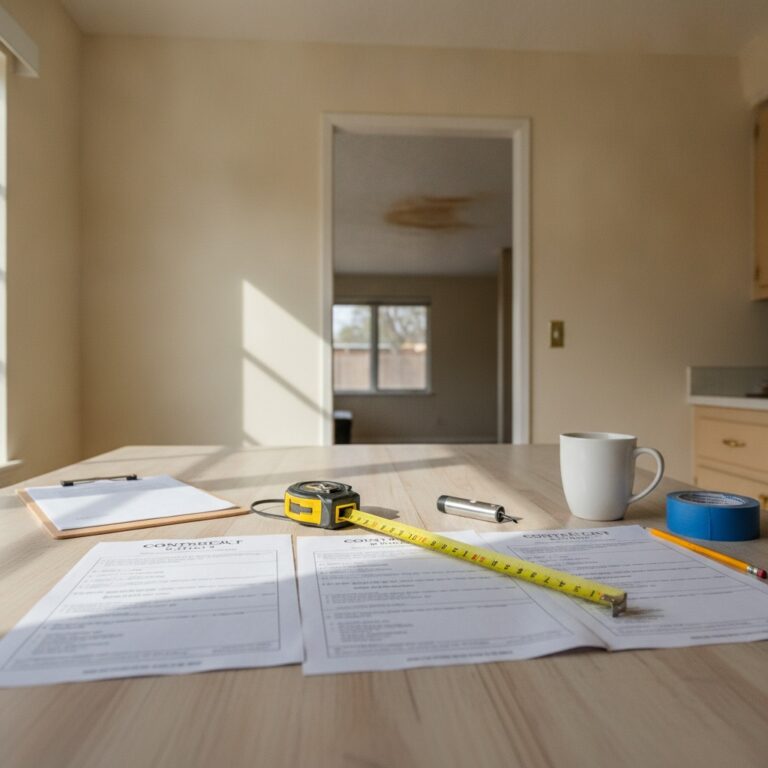
When two bids land on the kitchen table, line them up by scope, not by the bottom number. Check whether each one includes texture matching, primer, and full-wall paint, or whether one quietly leaves paint off to look cheaper. Check the finish level each one assumes. Check whether haul-off and floor protection are written in or left to chance. A bid that is $120 lower but skips paint and texture is not the better deal. It is the same deal with the hard parts moved to a second invoice.
The only way to price a patch honestly is to see it in person. A photo helps, but morning and afternoon light tell different stories on a textured wall, and the wall behind the wall never shows up in a phone picture. JNL gives a free in-home assessment across Orange County, the Inland Empire, Long Beach, and coastal San Diego, with a written, line-item quote handed over before any work starts. Book the assessment and walk away with a real number, not a range you have to guess at.
Morning-context sources used: ezPOD, Drywall Supply in June 2026: Gypsum Price Notices (June 2026); Angi, How Much Does Drywall Repair Cost? 2026 Data; California Home Costs, Drywall Repair Cost in California 2026; Constructem, Labor Costs to Hang and Finish Drywall in 2026; HomeGuide, Drywall Repair Cost 2026; HomeGuide, 2026 Drywall Prices Chart.