Request Your Free Quote!


Drywall Patch or Replace? Honest Repairs vs Cover-Ups
Some drywall patches fix the wall. Others hide a leak or a moving crack. How OC and San Diego homeowners tell an honest repair from a cover-up, with costs.
A homeowner in Anaheim Hills patched the same hallway crack three times in two years. Each round of spackle held for a season, then the crack traced its way back along the same diagonal line above the door. The patch was never the problem. The house moves, and this August is working SoCal walls hard, with inland temperatures running 95 to 110 degrees and overnight lows near 70. A patch over a moving crack is lipstick on a problem. Here is how to tell an honest repair from a cover-up before you pay for the same fix twice.
When a Patch Is the Honest Fix
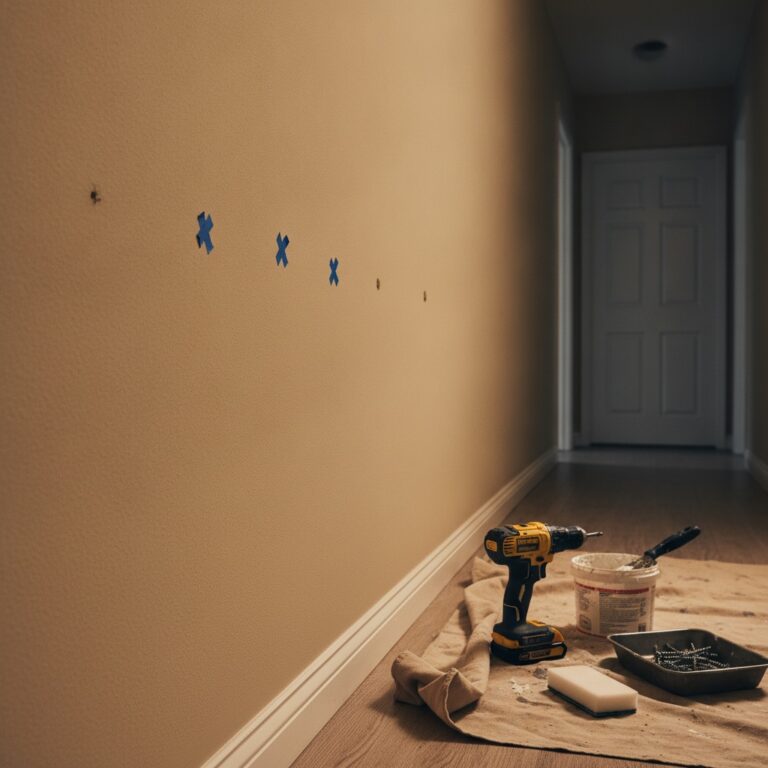
A patch is the right call when three things line up: the damage is local, the board around it is dry and firm, and the framing behind it is solid. A doorknob hole in a Costa Mesa bedroom. An anchor blowout where a TV mount let go in Irvine. A settling crack that showed up once in year two of a new build, got taped and feathered, and stayed gone. In each case the wall failed at one spot for one reason, and the reason is over.
Honest patches sit at the cheap end of drywall work. Most single-spot repairs in Orange County and San Diego run $200 to $600, including texture matching and paint blend. Even a fist-size hole handled with a backed cutout patch rarely crosses that line. National 2026 pricing data puts most small hole and crack repairs in the $300 to $600 range, and coastal SoCal tracks the upper half of that. Compare that to opening up a wall, and a good patch earns its keep.
The test is simple. Ask what caused the damage and whether that cause is finished. A one-time impact is finished. A moved-out tenant’s wall art is finished. A leak, a moving foundation, or a heat-stressed corner is not finished, and no amount of joint compound changes that math for very long.
Three Signs the Repair Is Hiding Something
The first sign is a crack that comes back. Joint compound does not fail on its own. When a repaired crack reopens along the same line, the framing or the slab is moving underneath it. Hairline cracks under 1/8 inch that stay put after one repair are settling. Cracks that reopen, run horizontally, or grow past 1/4 inch call for a structural look before anyone touches a taping knife again.
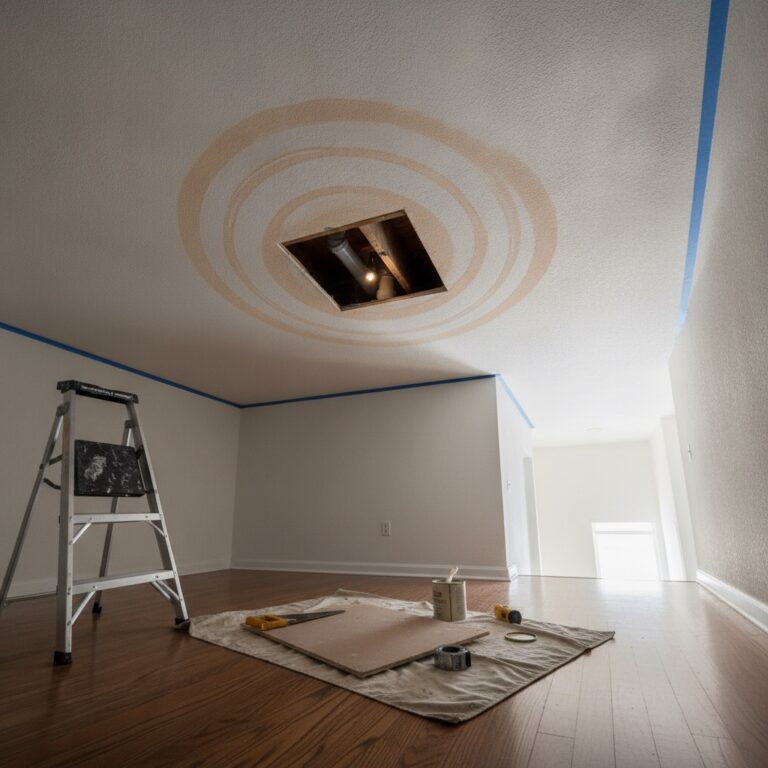
The second sign is a stain that returns after you paint over it. A brown ring on a ceiling has a live source: a slow supply-line leak, tired roof flashing, a clogged AC condensate line, or bathroom air condensing in a hot attic. Stain-blocking primer hides the color, not the water. Moisture trapped behind fresh paint can start growing mold in as little as 24 to 48 hours. Kill the source first, then repair the board.
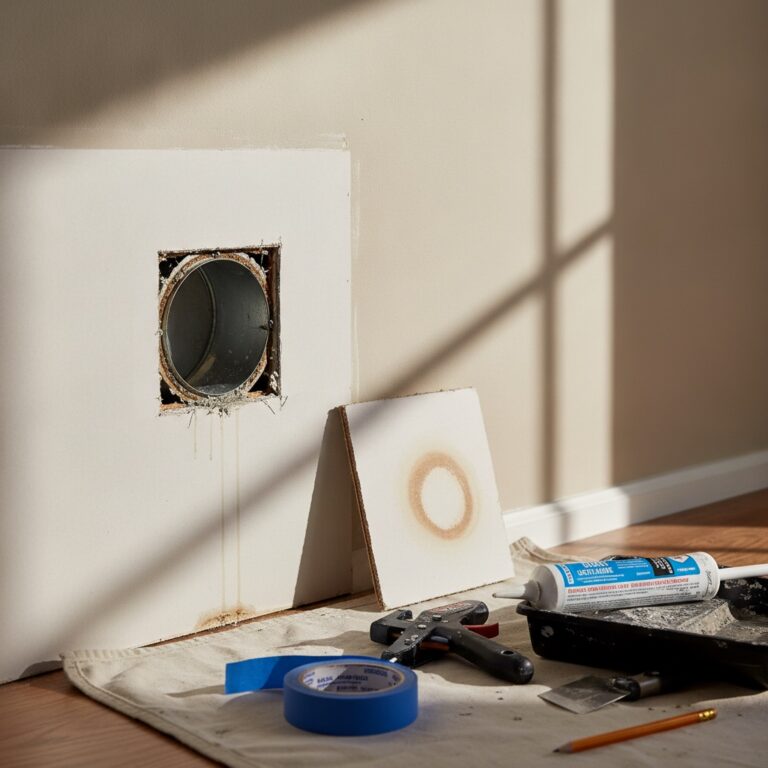
The third sign is soft board. Press a thumb near the damage. Drywall should feel rigid. If it flexes, crumbles at the edges, or feels spongy, the gypsum core has been wet long enough to lose its structure. A skim coat over saturated board is the definition of lipstick. That section needs to come out, and the cavity behind it needs to dry and pass a moisture reading before new rock goes in.
The Repair vs Replace Math in OC and San Diego
The decision threshold is mostly arithmetic. A single patch under a square foot runs $200 to $600 in most OC and SD zip codes. Larger damaged areas price by the square foot, and 2026 guides put bigger repair sections at roughly $50 to $75 per square foot once cutting, backing, taping, and finishing are counted. Textured surfaces add 30 to 40 percent because matching a knockdown or orange peel takes real hand work.
Replacement wins when the patches stack up. Three or more repairs on one 12-by-8 wall usually cost more than hanging and finishing fresh board on that wall, and the new board looks better in raking light. Widespread water damage, mold inside the cavity, or sagging ceiling sections are automatic replacements. So is any board that fails the thumb test across an area bigger than a dinner plate.
Finish level matters to the final number. A level-4 finish is the standard for textured walls and most repaints. A level-5 skim adds cost per square foot but pays off on smooth walls that catch low sun, which is most of coastal SoCal. If a wall is coming out anyway, that is the moment to decide whether the room deserves the level-5 upgrade, because doing it later means paying for prep twice.
Why an August Heat Wave Exposes Cover-Ups
This month is a stress test. The National Weather Service put most of Southern California under extreme heat warnings in early August, with 95 to 110 degree highs away from the coast and little overnight cooling. Framing lumber expands through the afternoon and shrinks back at night. Corners and door lines take that movement daily, which is why heat-cycle cracks show up at exterior wall corners in Corona, Menifee, and Santa Clarita every summer.
Air conditioners are also running at peak load, and condensate lines clog exactly when they carry the most water. A faint ring near a hallway ceiling register in August is usually AC condensate, not roof leakage, since meaningful rain is months out. That timing is useful. Whatever the stain, you have a dry window between now and the first fall storms to open it up, fix the source, and close it correctly.
Walk the house on a 100-degree afternoon and look at every old repair in side light. The cover-ups telegraph themselves: a hairline shadow along a patched crack, a ripple where a skim coat bridged soft board, a ring bleeding through builder-grade paint. Finding them in August beats finding them in January, when the repair calendar fills with storm work.
An honest answer costs nothing. JNL Drywall offers a free in-home assessment anywhere in Orange County, San Diego, and the Inland Empire. We will tell you which repairs are one-visit patches, which walls are hiding an active problem, and what each path costs before you commit to either. If a patch is the right fix, that is exactly what we will say. Request a quote and get eyes on it before the season turns.
Morning-context sources used: The Spokesman-Review, “SoCal heat wave: Triple-digit temperatures, fire weather and coastal flooding in store” (Aug 9, 2026); LAist, “One of the hottest weekends of the year (so far) is on tap for Southern California” (Aug 1, 2026); HomeGuide, “How Much Does Drywall Repair Cost?” (2026); Angi, “10 Types of Drywall Cracks and When to Worry” (2026); This Old House, “How to Treat Stains on Plaster and Drywall”.